Environmental Issues of the World
Social Issues that affect the planet and in turn affects it's inhabitants.
Natural Resource Depletion
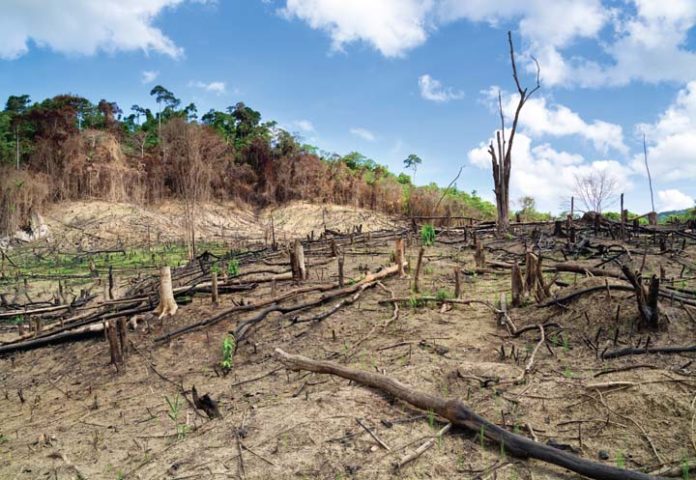
Natural Resources are always used to benefit our population and the population of other life forms around the world. But what happens when the population grows and resources continue to be used more and more? Resources are suppossed to be given tme to replenish before they can be harvested again, this is the cycle that we must follow, but taking more resources that can be provided, this causes Natural Resources to deplete and eventually disappear for good if nothing is done to prevent overharvest.
Effects of Natural Resource Depletion
Common effects include decreased water quality, increased pollution and greenhouse gas emissions, depletion of natural resources and contribution to global climate change. Some of these are the direct result of human activities, whereas others are secondary effects that are part of a series of actions and reactions. Our current global population is 7.2 billion and growing. Earth’s total resources are only good for about 2 billion people at the current demand. Obviously these end with negative results, we don't even need to do the math here. The way we’re living, we are already using 2 to 3 times more of the Earth’s natural resources than what is sustainable. If we do not act now, we will see the consequences of depletion of natural resources. A dry earth scarce of resources, might as well be the apocalypse.
Solutions to Natural Resource Depletion
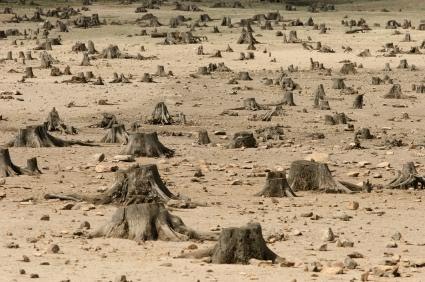
From fossil fuels to clean water, society uses an immense amount of natural resources. Some natural resources, such as sunlight or wind, are renewable and aren't in danger of being depleted, whereas others, such as natural gas or trees, need to be conserved, as they cannot be replaced as fast as they are being used. Reduce Dependency on Fossil Fuels: Preventing the depletion of fossil fuels is usually discussed in terms of using less gasoline and electricity, which is typically produced through the burning of fossil fuels. Although driving less and carpooling more are obvious ways to conserve gasoline, purchasing locally grown or locally raised food products supports farms and companies that don't burn fossil fuels in shipping their products over long distances. Other consumer purchases that support the conservation of fossil fuels include buying a vehicle with high gas mileage and purchasing Energy Star appliances. Keep Our Water Clean: Water may seem like a ubiquitous, never-ending resource, but as the population of an area grows, the access to clean water for that population decreases. There are several steps you can take around your home to ensure that you aren't wasting clean water. One major step is to check for water leaks by reading your water meter, not running any water for 2 hours and then checking back to see if the meter still has the same reading. If it doesn't, you have a leak. Another effective way to conserve water is to replace or fix leaky faucets. A faucet that drips once per second can lead to 2,700 gallons of water loss in 1 year. Preserve Trees and Forests: With approximately 4 billion trees being cut down annually to satiate the world's need for paper alone, preventing the depletion of forests continues to be an important priority. There are many opportunities in your daily life to use less paper, from using more cloth towels and less paper towels to switching to an online-only subscription of your favorite newspaper. When visiting a local forest, its also important to act responsibly. Campfires should be safely maintained, and the transportation of harmful invasive pests and pathogens can be reduced by following the "Don't Move Firewood" instructions listed on the website for The Nature Conservancy. Protect Coastal Ecosystems: Coastal ecosystems aren't just important for maintaining biodiversity, they are also extremely valuable to the fishing and tourism industries. Whether living near a coastal reef or not, seafood consumers should be aware of how the purchasing decisions they make affect the environment. For those of you that boat along the coast, make sure you find out where coral reefs in the area are located. Reefs are sensitive to disturbances and should be approached with care and respect. For those people diving or snorkeling around a reef, a good rule of thumb is "take only pictures, leave only bubbles." Get Involved: You can take steps to help preserve and restore the natural world. Contact your representatives at the national, state and local level to support laws and programs that protect the environment. Join conservation organizations. Participate in local activities, like stream clean-ups or bird counts. Urge the organizations you are part of -- churches, clubs, workplaces -- to be active supporters as well. Make sure your local school systems, at all levels, are offering curricula to introduce students to natural systems and the importance of their preservation.